Fast fashion vs Slow fashion, two philosophies compared
In the contemporary fashion system, two production and consumption models compete for public attention and brand strategies: Fast fashion vs slow fashion. Understanding this dichotomy is no longer just a matter of style, but an ethical and economic necessity for every conscious consumer. On one hand, fast fashion represents extreme speed, the democratization of trends, and immediate access to the latest runway looks, but often at a very high invisible cost in environmental and social terms. On the other hand, slow fashion emerges as a critical and thoughtful response, promoting an approach to fashion that prioritizes quality over quantity, supply chain transparency over speed of execution, and garment longevity over planned obsolescence.
The contrast Fast fashion vs slow fashion is not just about the price tag; it reflects two diametrically opposed worldviews. The "fast" model, born to satisfy a compulsive desire for novelty, has transformed clothing into an almost "disposable" consumer good, pushing production cycles to unsustainable rhythms that generate enormous volumes of textile waste and exploitation of water resources. In contrast, the "slow" movement encourages slowing down, rediscovering the value of craftsmanship, and considering the purchase of a garment as a long-term investment rather than an impulsive expense. In recent years, growing awareness of climate change has shifted the balance, leading more and more people to question the true origin of their clothes and to seek alternatives that combine aesthetics and ethics. Analyzing the conflict Fast fashion vs slow fashion therefore means exploring not only how our clothes are produced, but also how our daily choices can influence the entire global fashion ecosystem.
The Fast Fashion Model: The Obsession with Trends
To fully understand the debate Fast fashion vs slow fashion, it is crucial to analyze the mechanisms that govern fast fashion. The Fast Fashion model is based on a core principle: drastically reducing the time between the design of a garment and its arrival in stores. While traditionally fashion followed two main seasons (Spring/Summer and Autumn/Winter), fast fashion giants introduced the concept of "micro-seasons," offering up to 52 collections a year. This frenetic pace fuels a continuous obsession with the current trend, creating a sense of urgency and the fear of missing out on the latest novelty (FOMO) in consumers, pushing them to frequent and often unnecessary purchases.

However, this accessibility comes with a "shadow cost" that doesn't appear on the receipt. To maintain competitive prices and high-profit margins, fast fashion systematically sacrifices material quality and labor dignity. The massive use of cheap synthetic fibers, such as virgin polyester derived from petroleum, not only ensures inexpensive fabrics but also contributes enormously to microplastic pollution during every domestic wash. Furthermore, the pressure to lower production costs often leads to outsourcing to countries where labor regulations are weak or nonexistent, exposing workers to subsistence wages and precarious safety conditions. In this context, the comparison Fast fashion vs slow fashion becomes a choice between passively accepting a system based on exploitation and actively seeking fairer alternatives. The "disposable" culture is the most evident side effect: garments designed to last only a few washes quickly end up in landfills, fueling a global textile waste crisis that the planet is increasingly struggling to manage.
The Slow Fashion Revolution: Quality Over Quantity
In stark contrast to the frantic pace of fast fashion, the Slow Fashion revolution stands as a bulwark of awareness and responsibility. This movement is not limited to offering "slower" clothes but redefines the entire relationship between humans and their wardrobes. At the heart of the Fast fashion vs slow fashion philosophy is the concept of intrinsic quality: a slow garment is designed to last for years, not weeks. The pillars on which it is founded are ethics, sustainability, and radical transparency of the production chain. Brands that embrace this model do not hide who sewed their clothes or where the raw materials come from, offering consumers the possibility of tracing every phase of the process, from cotton cultivation to fabric dyeing.
The choice of materials is another fundamental distinguishing element. While fast fashion overuses polluting synthetics, slow fashion prioritizes natural, organic, or regenerated fibers, such as linen, hemp, organic cotton, or recycled wool. These materials not only have a lower environmental impact but also ensure better breathability and comfort on the skin, reducing the risk of allergies often caused by aggressive chemical treatments typical of mass production. Furthermore, slow fashion design leans towards the concept of "Timeless": garments with an enduring style, detached from the whims of fleeting micro-trends. Investing in a high-quality tailored coat or a well-cut linen shirt means building a solid and versatile wardrobe, capable of transcending seasons without ever appearing obsolete. Ultimately, embracing slow fashion means reclaiming the value of things, preferring to own less but better, and transforming the act of dressing into a gesture of respect for oneself and the planet.
Italian Excellence: The Case of PR1MO Sneakers
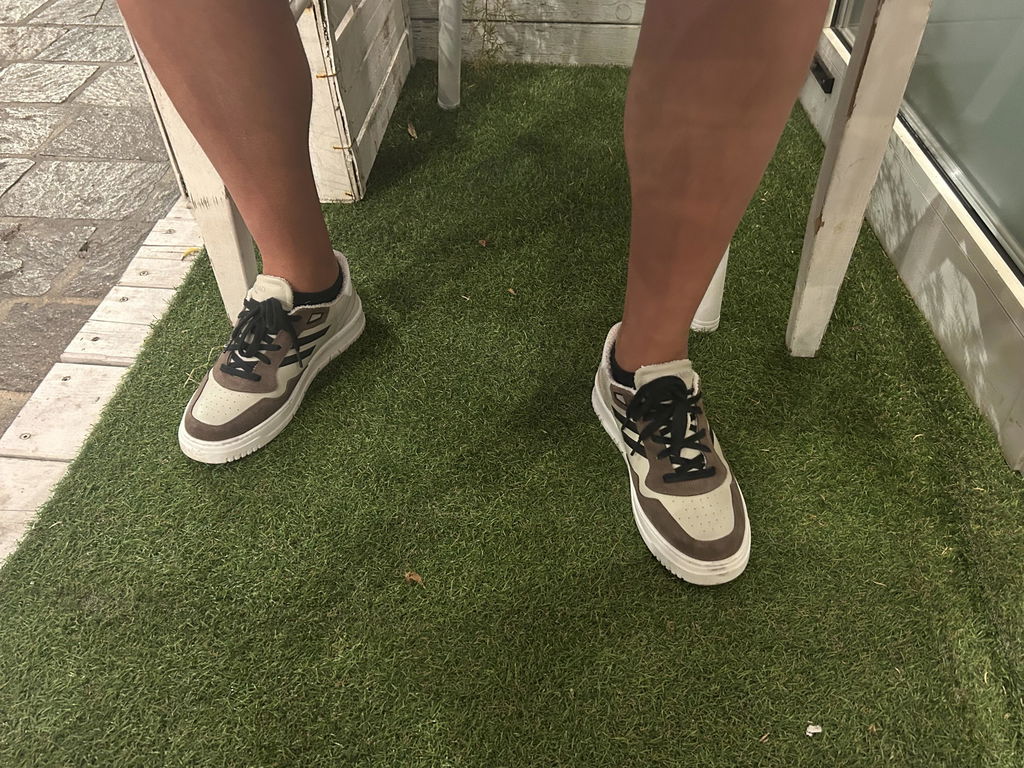
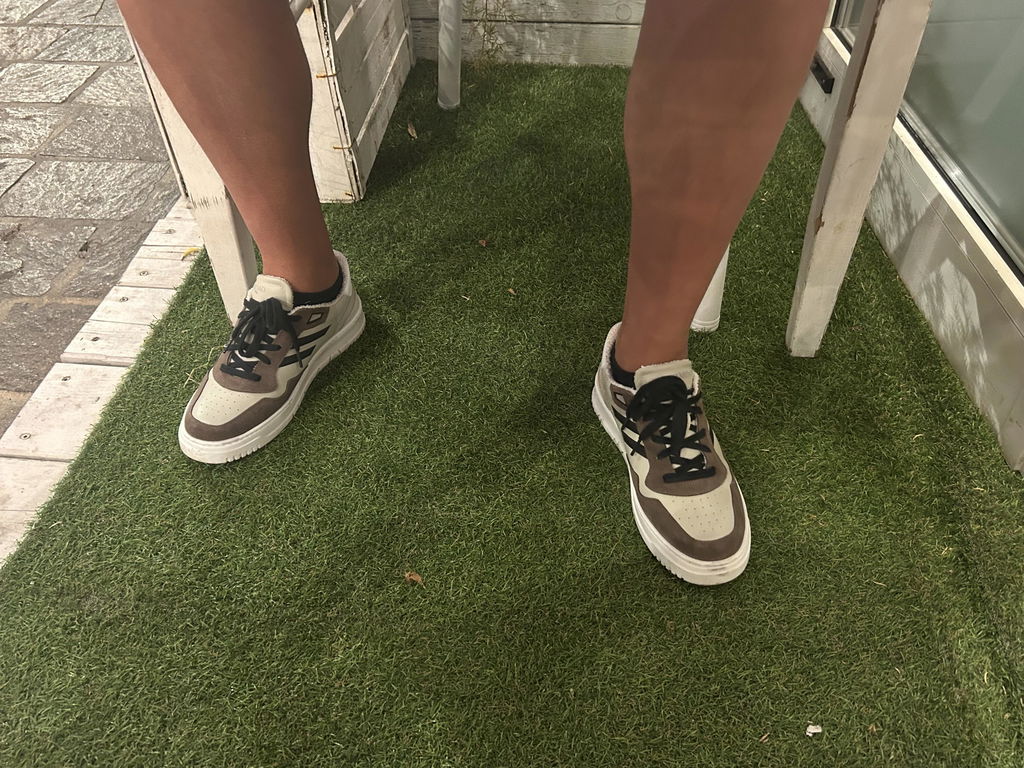
A concrete example of how slow fashion principles can translate into excellent products is represented by PR1MO, a sneaker brand that has made "Made in Italy" and sustainability its banner. In a sector, that of sports footwear, often dominated by mass production and low-quality plastic materials, PR1MO stands out for a diametrically opposite approach, perfectly in line with the philosophy of "slow" fashion. Each pair of shoes is the result of expert Italian craftsmanship, combining our country's shoemaking tradition with the innovation of eco-compatible materials.

PR1MO's choice to focus on "made in Italy" is not just a guarantee of style and attention to detail, but a precise ethical stance: it means valuing local know-how, ensuring fair working conditions, and reducing the carbon footprint associated with intercontinental transport. The brand's sneakers are made using premium materials selected for their low environmental impact, demonstrating that it is not necessary to sacrifice aesthetics or performance to respect the planet. Wearing a PR1MO sneaker therefore means making a conscious choice in the Fast fashion vs slow fashion debate: you choose a durable product with a refined and versatile design, capable of withstanding the wear and tear of time and fleeting trends, while supporting a short and virtuous supply chain.
Fast fashion vs Slow fashion: the main differences
At this point, it is useful to outline the substantial differences to get a clear picture of the comparison Fast fashion vs slow fashion. The differences are not limited to the final price, but permeate every aspect of the product's life cycle.
| Characteristic | Fast Fashion | Slow Fashion |
|---|---|---|
| Production Cycle | Very fast (weeks), continuous collections. | Slow and considered, few collections per year or continuous. |
| Quality and Durability | Low quality, poor materials, planned obsolescence. | High quality, fine materials, designed to last for years. |
| Price | Very low, accessible but with high hidden costs. | Higher (medium-high), reflects the true cost of labor and materials. |
| Materials | Prevalence of synthetics (polyester, nylon) and uncertified cotton. | Natural, organic, recycled, or innovative fibers (e.g., Tencel). |
| Environmental Impact | High: water pollution, CO2 emissions, massive textile waste. | Reduced: eco-friendly processes, short supply chain, upcycling. |
| Labor Ethics | Often outsourced to countries with few protections, low wages. |
Local or Fair Trade certified production, fair wages. |
From a social impact perspective, the difference is vast. While fast fashion is often associated with scandals related to worker exploitation and lack of safety in factories (consider the Rana Plaza disaster), slow fashion places human rights at the center of its business model. Choosing slow means supporting companies that guarantee a safe working environment and fair wages. On the environmental front, the "slow" model promotes regenerative practices and the circular economy, seeking to reduce waste through modular design or repair services, in stark contrast to the "extract-produce-dispose" linearity of fast fashion. Understanding these dynamics in the duel Fast fashion vs slow fashion is the first step to becoming active consumers and not passive cogs in an unsustainable system.
How to Transition to Slow Fashion: A Practical Guide
Transitioning from fast to slow fashion can seem like a complex challenge, especially for those accustomed to frequently purchasing low-cost items. However, the change does not have to be drastic or immediate; it is a journey made of small, conscious steps. The first obstacle to overcome in the Fast fashion vs slow fashion comparison is learning to recognize Greenwashing. Many large fast fashion brands, to clean up their image, launch "eco" or "conscious" collections that in reality represent only a tiny fraction of their total production, often without providing concrete proof of their claims. To avoid these traps, it is essential to read labels, look for reliable certifications (such as GOTS for organic cotton or Fair Trade for fair trade), and be wary of vague terms like "green" or "natural" if not supported by data.
An effective strategy for embracing slow fashion is to adopt the "Capsule Wardrobe" approach: selecting a limited number of essential, versatile, high-quality garments that can be easily mixed and matched. This reduces morning "decision fatigue" and, more importantly, the need for impulsive purchases. Instead of buying five t-shirts that will lose their shape after a few washes, you can invest the same amount in a single, higher-quality organic cotton t-shirt designed to last. The second-hand and vintage markets also play a crucial role: giving a second life to an existing garment is one of the most sustainable choices possible, as it eliminates the production impact of a new item. Finally, taking care of your clothes—washing them less frequently, at low temperatures, and repairing them when necessary—is a revolutionary act that extends the product's life and drastically reduces your ecological footprint.
The future of fashion is in our choices
In conclusion, the challenge Fast fashion vs slow fashion is not solved by simply demonizing one model or idealizing the other, but by acquiring the awareness needed to make informed decisions. Every time we open our wallet, we cast a vote on the kind of world we want to live in. Choosing slow fashion is not just a matter of aesthetics or budget, but an act of collective responsibility towards the environment and the people who make what we wear. The future of fashion will increasingly depend on our ability to slow down, appreciate quality, and recognize the human value behind every stitch. Moving from passive consumers to active citizens is the key to transforming the textile industry from one of the most polluting in the world to an engine of positive and sustainable change.