Why the Best Sneaker Materials Make a Difference
When we are looking to buy a new pair of shoes, our eyes often immediately fall on the design, colors, or current hype, but it is the best sneaker materials that determine the true quality of the wearing experience. Understanding the composition of footwear is not just a technical detail for enthusiasts, but the crucial factor that separates a shoe that lasts for years from one that loses its shape after just a few weeks. The choice of materials directly influences every aspect of the footwear: from breathability that keeps the foot cool, to the flexibility needed for a natural gait, to resistance to daily wear and tear.
In a market saturated with options, knowing how to distinguish the best sneaker materials has become an essential skill for the conscious consumer. Not all leathers are created equal, and not all technical fabrics offer the same performance; the difference between full-grain leather and low-quality synthetic, or between a standard EVA midsole and an advanced polyurethane one, can radically transform foot comfort and health. The great innovations of recent years have brought increasingly sophisticated materials to the fore, creating a bridge between traditional craftsmanship and modern engineering.
To properly analyze a sneaker, we must break it down into its three fundamental components, each requiring specific materials to perform its task. The first is the upper, the top part that wraps around the foot: here the materials determine aesthetics, thermoregulation, and structural support. The second is the midsole, the true technological heart of the shoe located between the foot and the ground, responsible for cushioning and energy return. Finally, we have the outsole, the layer in contact with the ground, where the quality of the rubber defines grip and durability over time.
In this guide, we will explore in detail what the best sneaker materials available on the market today are, analyzing the pros and cons of each option. We will discover why some materials are preferable for intensive sports use while others are unsurpassed for lifestyle and everyday elegance.
Whether you are looking for maximum athletic performance or luxurious comfort for your city days, understanding the science behind the materials will allow you to make smarter and more lasting investments for your feet.
Upper Materials: Style, Durability, and Breathability
The upper represents the visual identity of the shoe, but its function goes far beyond aesthetics. It is the protective barrier that wraps around the foot and ensures its stability. When it comes to the best sneaker materials, the choice of the upper is often the first fundamental crossroads, as it defines whether the shoe will be rigid and supportive or soft and ventilated. Currently, the market is mainly divided into three broad families of materials, each with unique characteristics that meet different style and usage needs.
Leather and Suede: The Timeless Classic
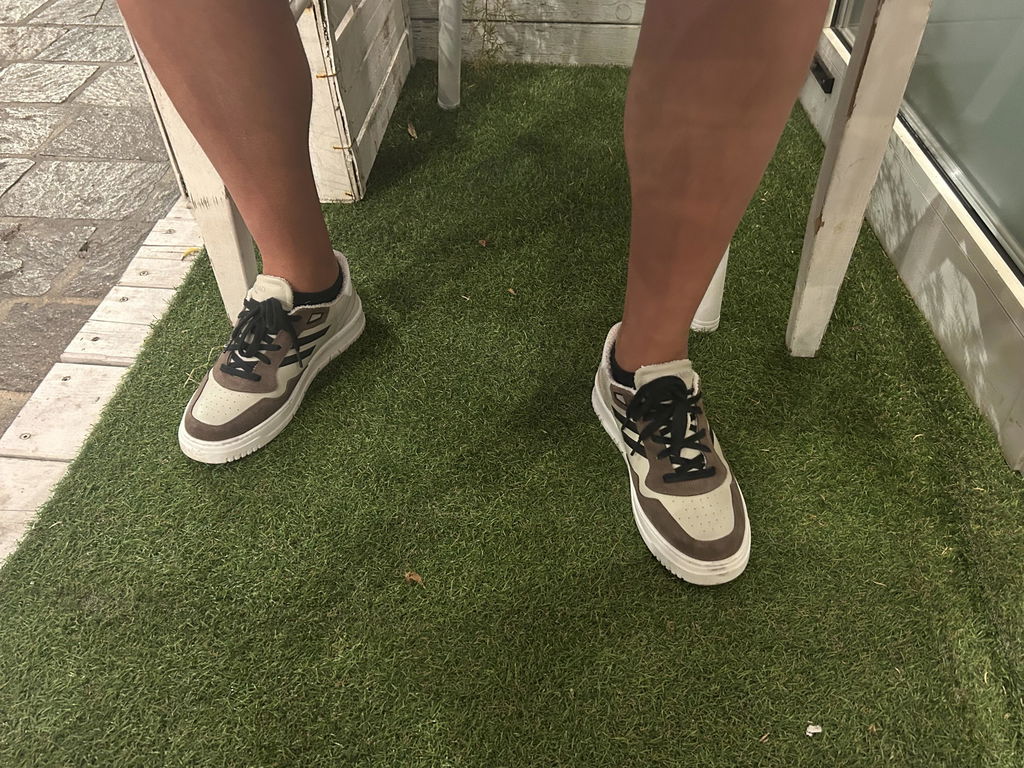
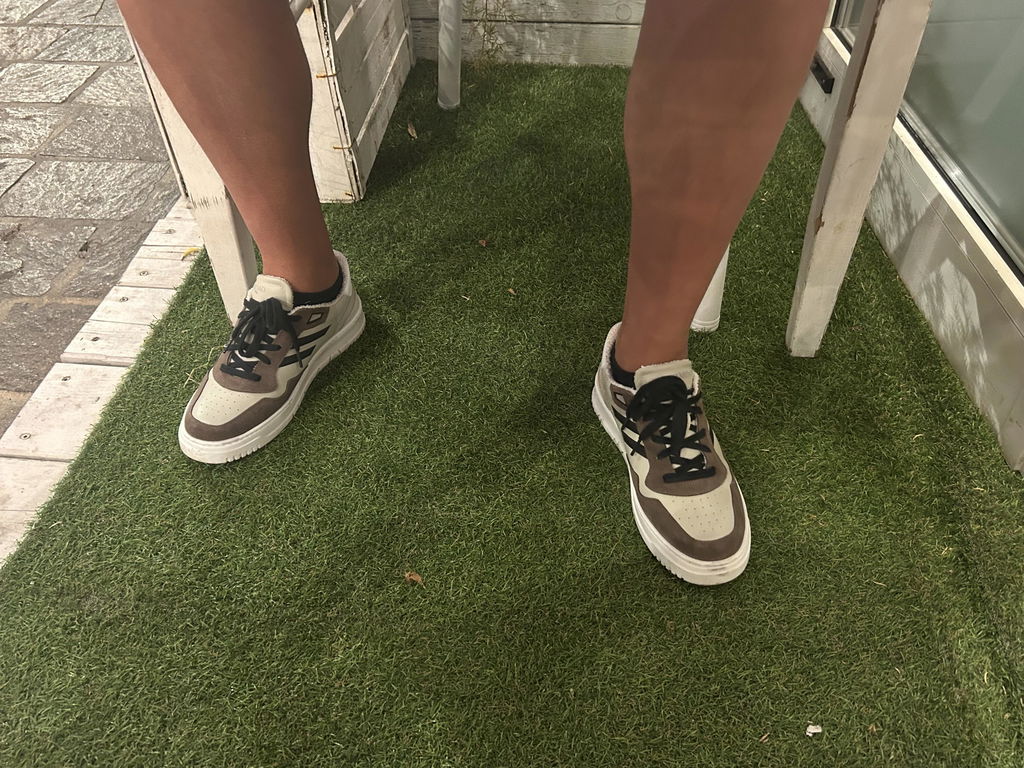
Leather remains, without a doubt, one of the best sneaker materials for those seeking longevity, elegance, and adaptability. A high-quality leather upper (often referred to as "full-grain") has the extraordinary ability to mold to the shape of the foot with use, becoming more comfortable over time. In addition to robustness, leather offers natural water resistance and superior thermal protection compared to fabrics. Suede, although more delicate and requiring more maintenance, offers an unparalleled soft touch and a very sought-after premium look in the lifestyle sector. However, these natural materials tend to be heavier and less breathable than technical alternatives, making them ideal for everyday casual/lifestyle wear but less suitable for intense sports activities in warm climates.
Technical Fabrics (Mesh and Knit): The Lightweight Revolution
In recent decades, sports engineering has introduced fabrics that have redefined the concept of comfort. Mesh (a synthetic net) and Knit (a knitted fabric) are now considered among the best sneaker materials for running and training. Their open-cell structure ensures optimal ventilation, allowing heat and moisture to escape quickly.

Famous technologies like Flyknit or Primeknit have taken this concept to the extreme, creating uppers made from a single woven thread that wraps around the foot like a sock, eliminating annoying seams and drastically reducing the shoe's weight. If lightness and breathability are the priority, this is the winning choice.
Synthetics and Microfiber for Performance and Versatility
Often underestimated in the past, modern synthetic materials and microfibers have reached excellent quality levels, earning a place among the best sneaker materials. These materials are designed in the laboratory to offer specific characteristics: they can be made waterproof, ultra-resistant to abrasion, or extremely elastic, often at a lower cost than natural leather. High-end synthetic leather (often used in soccer or basketball shoes) offers the advantage of not deforming excessively under stress and being very easy to clean, maintaining its original appearance longer. Furthermore, they often represent the ethical (vegan) alternative for those who desire the aesthetics of leather without the use of animal-derived materials.
The Midsole Becomes the Heart of Comfort and Cushioning
If the upper is the body of the shoe, the midsole is undoubtedly its soul. Located between the upper and the outsole, this component is responsible for managing impact with the ground and energy return, determining the "feel" of walking or running. When we look for the best sneaker materials in terms of comfort, this is where we need to focus our attention. Midsole technology is the area where brands invest most in research and development, creating increasingly advanced chemical compounds to balance softness and responsiveness.
EVA (Ethylene Vinyl Acetate): The Industry Standard
For decades, and still today, EVA has been the most widely used material in the world of sports footwear. It is a lightweight, economical plastic foam capable of offering excellent basic cushioning. Among the best sneaker materials for everyday use, EVA stands out for its "cushiony" softness. However, it has a defect known as "compression set": over time and prolonged use, the air bubbles inside the foam tend to flatten permanently, causing the shoe to lose its original cushioning capacity. It is the ideal choice for entry-level sneakers or walking shoes where extreme performance is not required.
TPU and Polyurethane: Reactivity and Infinite Energy
To overcome the limitations of EVA, Polyurethane (PU) and Thermoplastic Polyurethane (TPU) based materials have been introduced. These compounds are denser, heavier, but incredibly more durable and resilient. Their main characteristic is "energy return": instead of simply absorbing impact, the material compresses and bounces back quickly, providing propulsion to the foot. The Boost technology, for example, is made by fusing thousands of expanded TPU capsules. This makes TPU one of the best sneaker materials for those looking for a shoe that remains responsive ("bouncy") for hundreds of kilometers, without flattening as happens with traditional EVA.
"Super Foam" (Pebax) Foams
At the absolute pinnacle of performance, especially in professional running, we find the so-called "Super Foams," often based on polymers like PEBA or Pebax. These materials represent the apex of technology today, almost magically combining two usually opposing characteristics: extreme lightness and extreme energy return. They are the best sneaker materials for speed and racing. Unlike EVA (light but not very reactive) or TPU (reactive but heavy), Pebax offers the best of both worlds. The downside? They often have a shorter lifespan and a significantly higher cost, making them elite materials for those who do not compromise on performance.
The Outsole Essential for Grip and Wear Resistance
Often overlooked compared to the softness of cushioning or the style of the upper, the outsole is actually the shoe's first line of defense. As the only part in direct contact with asphalt, dirt, or parquet, it must guarantee two vital functions: adherence to the surface to prevent slipping (grip) and abrasion resistance to prolong the life of the footwear. The best sneaker materials for outsoles are almost always rubber derivatives, but the specific chemical composition changes drastically based on the shoe's final objective.
Carbon Rubber vs. Blown Rubber
The main distinction in modern outsoles is between carbon rubber and blown rubber.
-
Carbon Rubber: This is the hardest and most durable material available. Similar to the compound used for car tires, it is usually placed in areas of high wear, such as the heel. It is one of the best sneaker materials for those who walk a lot on asphalt or abrasive surfaces, as it guarantees exceptional durability, albeit at the expense of a bit of extra weight and rigidity.
-
Blown Rubber: This compound is "expanded" with air during production, resulting in a much lighter, softer, and more flexible material. It offers a more pleasant and cushioned feel under the forefoot but wears out faster. Often, high-end sneakers use a hybrid construction: carbon rubber on the heel for durability and blown rubber on the front for comfort and traction.
Importance of Pattern in Relation to Material
It's not just chemistry that matters, but physics too. Even the best sneaker materials can fail if the tread pattern is not adequate. Outsoles with deep, spaced lugs (typical of trail shoes) require softer ("sticky rubber") compounds to grip wet rocks, while court shoes (basketball or tennis) use herringbone patterns with hard, dense rubber to maximize friction on smooth floors without wearing out in just a few games. The perfect combination of a quality compound (like Continental or Vibram rubber) and an intelligent design is what distinguishes a safe shoe from an unstable one.
PR1MO: The Excellence of Made in Italy Materials
In the global footwear landscape, where mass production often sacrifices quality for volume, the PR1MO brand stands out as a beacon of artisanal excellence. This brand represents the perfect synthesis of what it means to choose the best sneaker materials without compromise, embodying the values of true Made in Italy. Unlike many competitors who relocate, PR1MO has chosen to keep its roots firmly anchored in the Italian manufacturing tradition, where every single shoe is handmade by skilled artisans, transforming footwear from a simple accessory into a wearable work of art.
PR1MO's philosophy is based on a rigorous selection of raw materials. The leathers used are not just coverings, but fine leathers chosen for their grain, softness, and ability to age nobly. Touching a PR1MO sneaker, one immediately perceives the difference compared to industrial products: the upper offers a rich and natural texture, ensuring breathability and comfort that standard synthetic materials struggle to replicate. Attention to detail also extends to the internal components and finishes, where nothing is left to chance, ensuring that the refined aesthetic is supported by a solid and durable structure.

Choosing PR1MO means investing in a shoe that goes beyond fleeting trends. It is proof that the best sneaker materials are not just hyper-technological laboratory creations, but also those that carry the history and mastery of craftsmanship. In a fast-paced world, PR1MO slows down to meticulously craft every stitch, offering a product that combines contemporary style with the eternal quality of Italian manufacturing. Wearing these sneakers is not just a style choice, but a declaration of belonging to a culture that places absolute quality first.
Sustainability: New Eco-Friendly Materials
The future of footwear is not just about performance, but also about environmental impact. Today, the search for the best sneaker materials necessarily includes an evaluation of their sustainability. The fashion industry is one of the most polluting in the world, and major brands are responding to this challenge by developing ecological alternatives that do not sacrifice quality. The new frontier is represented by "bio-based" and recycled materials, which aim to close the product life cycle by reducing dependence on fossil fuels and traditional animal leathers.
Among the most promising innovations are recycled plastics (often derived from PET bottles or fishing nets recovered from oceans), which are transformed into high-performance polyester yarns for mesh and knit uppers. These fabrics maintain the same lightweight and breathable characteristics as their virgin equivalents, but with a drastically lower carbon footprint. At the same time, new-generation "vegan leathers" are emerging: no longer simple plastic (PVC), but materials derived from vegetable waste such as pineapple, mushrooms (mycelium), apples, or grapes. These alternatives offer surprising aesthetics and durability, rightfully earning a place among the best sneaker materials for the ethical consumer.

Soles and midsoles are also undergoing a "green" transformation. Increasingly, we see the use of sustainably extracted natural rubbers or EVA foams enriched with compounds derived from sugar cane. The goal is to create shoes that, at the end of their life, are easier to dispose of or even biodegradable. Choosing sneakers made with these materials no longer means settling for an inferior product; on the contrary, it means embracing the most advanced innovation that combines style, comfort, and responsibility towards the planet.
How to Choose the Right Material Based on Use
At the end of this guide, it's clear that there's no single absolute winner: the best sneaker materials are those that best meet your specific needs. The key to a satisfying purchase lies in asking yourself the right question before swiping your card: "What will I do with these shoes?" If your goal is to run a marathon or train intensely at the gym, the priority should be technical fabrics like mesh for breathability and reactive midsoles made of Pebax or TPU. In this context, lightness and performance win above all else.
However, if you're looking for a shoe for everyday life, the office, or leisure, the perspective changes radically. Here, full-grain leather or high-quality suede represent the best investment: they offer comfort that improves over time, superior durability, and a versatile style that adapts to various outfits. Brands like PR1MO demonstrate that craftsmanship and premium natural materials offer unparalleled added value in terms of aesthetics and feel on the foot. For those who care about the environment, new sustainable options offer an increasingly valid compromise without sacrificing style.
In summary, knowing materials is the modern consumer's superpower. Don't be guided only by the logo or color; touch the upper, press the midsole, observe the sole. Knowing how to recognize constructive quality will allow you to distinguish a valuable product from a mediocre one, ensuring that every step you take is supported by the technology and materials best suited for you.