What is circular fashion?
In recent years, the concept of sustainability has ceased to be a mere niche trend to become a global imperative, and in this scenario, circular fashion in Italy is taking on a leading role. But what exactly do we mean when we refer to this economic model applied to textiles? Circular fashion is not just a production method, but a true regenerative philosophy that aims to redefine the value of the clothes we wear. Unlike the traditional linear system, based on the "extract, produce, use, and dispose" paradigm, circular fashion is based on the principles of the circular economy: eliminating waste and pollution from the design phase, keeping products and materials in use for as long as possible, and regenerating natural systems.
In a country like ours, historically recognized as the cradle of beauty and craftsmanship, circular fashion in Italy represents the natural evolution of quality craftsmanship, which by its very nature opposes the logic of waste. Adopting a circular approach means designing garments meant to last, made with safe and renewable materials, and structuring business models that allow these garments to be repaired, resold, or recycled at the end of their life cycle. It's not just about using organic cotton or recycled polyester; true circular fashion in Italy requires a systemic change involving the entire supply chain, from the farmer who grows the fiber to the consumer who decides to repair a shoe instead of throwing it away.
The fundamental principles of the circular economy applied to fashion
To fully understand the scope of circular fashion in Italy, it is essential to analyze the pillars on which it rests. The first is design for circularity: every garment must be designed with its "afterlife" in mind. This means avoiding inseparable fiber blends that make recycling impossible, using non-toxic dyes, and planning for easily replaceable parts. The second pillar is product life extension. In a context of circular fashion, a coat or a pair of shoes does not lose value after one season; on the contrary, through maintenance, repair, and upcycling practices, their value is preserved or even increased over time.
Another crucial aspect is end-of-life management. Circular fashion in Italy is pushing towards innovative technologies for "textile-to-textile" recycling, transforming old clothes into new high-quality raw materials, drastically reducing dependence on virgin resources. This approach not only reduces the environmental impact associated with raw material extraction but also stimulates a new economy based on recovery, with Italy at the forefront thanks to its historic recycling districts, such as Prato.
Difference between circular fashion and traditional fashion (Fast Fashion)
The distinction between circular fashion in Italy and the dominant model of fast fashion is clear and substantial. Fast fashion thrives on speed and obsolescence: it produces huge volumes of low-cost, low-quality garments, designed to be consumed quickly and replaced following weekly micro-trends. This model generates enormous quantities of textile waste and exploits water and energy resources unsustainably. In contrast, circular fashion slows down the pace. It prioritizes quality over quantity, durability over transience.

While fast fashion hides environmental and social costs behind rock-bottom prices, circular fashion in Italy seeks transparency, valuing human labor and respecting the ecosystem. Choosing circular fashion means opposing the throwaway culture, embracing a lifestyle where every purchase is a conscious investment. In this sense, the transition to circular fashion in Italy is not only a technical challenge for companies but a cultural revolution for consumers, who are called to become responsible "users" rather than passive consumers.
Circular fashion in Italy: current situation and 2026 trends
By 2026, we can state that circular fashion in Italy is no longer a promise for the future but a consolidated reality that is reshaping the balance of the national manufacturing system. If in past years sustainability was often left to the good will of individual brands or marketing operations (sometimes resulting in greenwashing), today the sector operates within a well-defined and stringent regulatory framework. Italy, with its strong textile tradition and the innovative capacity of its industrial districts, is in a strategic position to lead this European transition, although challenges remain. Circular fashion in Italy in 2026 is characterized by a new maturity: it has moved from material experimentation to the industrialization of recovery and recycling processes.
The current situation shows a decisive acceleration mainly due to the full implementation of European Union directives. Italian companies, from large luxury maisons to artisan SMEs, are reorganizing their supply chains to meet the transparency and traceability requirements that have become essential for operating in the market. It is no longer enough to declare a product "sustainable"; today, circular fashion in Italy requires certain, measurable, and verifiable data throughout the value chain.
EU regulations and directives: the engine of change
The real turning point for circular fashion in Italy is represented by the European legislative framework, in particular the full implementation of the Extended Producer Responsibility (EPR) regulation. According to this principle, whoever places a garment on the market is responsible for its entire life cycle, including the disposal phase. This has forced Italian brands to rethink their business models: it's no longer just about selling, but about managing the "end-of-life" of the product. Companies are therefore investing heavily in collection, selection, and recycling systems, transforming what was once a cost (textile waste) into a strategic resource.
Furthermore, 2026 sees the widespread implementation of the Digital Product Passport (DPP), a fundamental tool for circular fashion in Italy. Thanks to technologies like blockchain, each garment has a digital identity that tells its story: origin of raw materials, production processes, repair instructions, and recycling guidelines. This tool not only fights counterfeiting but also provides consumers with the information needed to make conscious choices, rewarding companies that truly invest in quality and durability.
Forecasts and trends for 2026
Looking at the trends shaping circular fashion in Italy in 2026, the consolidation of repair and maintenance services (Care & Repair) is clearly emerging. Brands are no longer limited to selling products but offer service packages to extend their useful life, an approach that revives the ancient Italian tailoring tradition with a modern twist. Repair becomes an act of value, not an economic necessity, elevating the status of a "well-worn" garment.
Another strong trend is the expansion of the second-hand market directly managed by brands. Many Italian fashion houses have integrated resale platforms into their official channels, guaranteeing the authenticity and quality of used garments. This peer-to-peer or brand-to-consumer model is becoming a significant component of revenue for many circular fashion in Italy businesses. Finally, we are seeing increasing innovation in biomaterials: waste from the Italian agri-food industry (from orange peels to grape pomace) is being transformed into innovative fabrics, creating virtuous synergies between excellent Made in Italy sectors and offering concrete alternatives to petroleum-derived synthetic leathers.
The pillars of Italian circular fashion
The transformation of the Italian fashion system towards a circular model rests on four fundamental pillars, which represent the backbone of this industrial and cultural revolution. These are not isolated initiatives, but an interconnected ecosystem where technology, tradition, and regulatory innovation work in synergy to redefine the concept of value in textiles. The strength of circular fashion in Italy lies precisely in its ability to integrate these elements into a unique supply chain capable of managing the entire product life cycle within the national territory.
1) Textile-to-textile recycling and material regeneration
The beating heart of circular fashion in Italy is the ability to regenerate fibers. Our country boasts a historical record in mechanical wool recycling, an art born in Prato centuries ago and now evolved into high-tech industrial processes. In 2026, innovation has made a further leap forward with the introduction of technologies like "Daedalus," advanced machinery developed in the Tuscan districts, capable of automatically sorting textile waste by composition and color, speeding up the work of "ragpickers" and ensuring a purity of secondary raw material unthinkable until a few years ago.
But the challenge today lies with mixed fibers, always the bane of recycling. Thanks to cutting-edge research projects, Italian companies are patenting selective dissolution processes that allow separating, for example, polyester from cotton or elastane from nylon, recovering both materials for new high-quality productions. This closes the loop, allowing complex post-consumer waste (like swimsuits or tights) to be transformed into new virgin yarns, drastically reducing the sector's carbon footprint.
2) Resale, second-hand, and take-back models
The second pillar is the extension of products' useful life. The second-hand market in Italy is experiencing double-digit growth, driven not only by global digital platforms but by a new strategy of Italian brands that are internalizing resale. More and more brands offer take-back services (used item collection) directly in boutiques or online: customers return an unused garment in exchange for credit, and the company sanitizes, repairs, and resells it or, if unrecoverable, sends it for proper recycling. This model transforms the relationship with the customer, making it continuous and circular, and allows brands to maintain control over their products even after the first sale.
3) Artisan production and short supply chain
A distinctive element of circular fashion in Italy is the irreplaceable role of craftsmanship and the short supply chain. Unlike fast fashion giants that offshore to cut costs, Italian circular fashion values proximity. Producing locally means reducing transport-related emissions, but above all, ensuring thorough control over quality and labor ethics. SMEs and artisan workshops are the custodians of manufacturing techniques that prioritize durability: a hand-stitched shoe or a tailor-made suit are intrinsically circular because they are made to last for decades and be repaired, contrasting with the logic of planned obsolescence.
4) Design for longevity and repairability
Ultimately, everything starts with design. Eco-design is the preventative pillar of circular fashion in Italy: Italian designers are learning to design "with the end in mind." This means choosing single-material components to facilitate future recycling, using easily detachable accessories (buttons, zippers), and creating timeless styles that transcend seasonal trends. Repairability becomes an essential design requirement, not an optional extra. In this context, the new EPR (Extended Producer Responsibility) regulations, effective from 2026, push companies to bear the environmental costs of their products, providing economic incentives for the creation of more durable and easily recyclable garments.
PR1MO: artisanal excellence and circularity
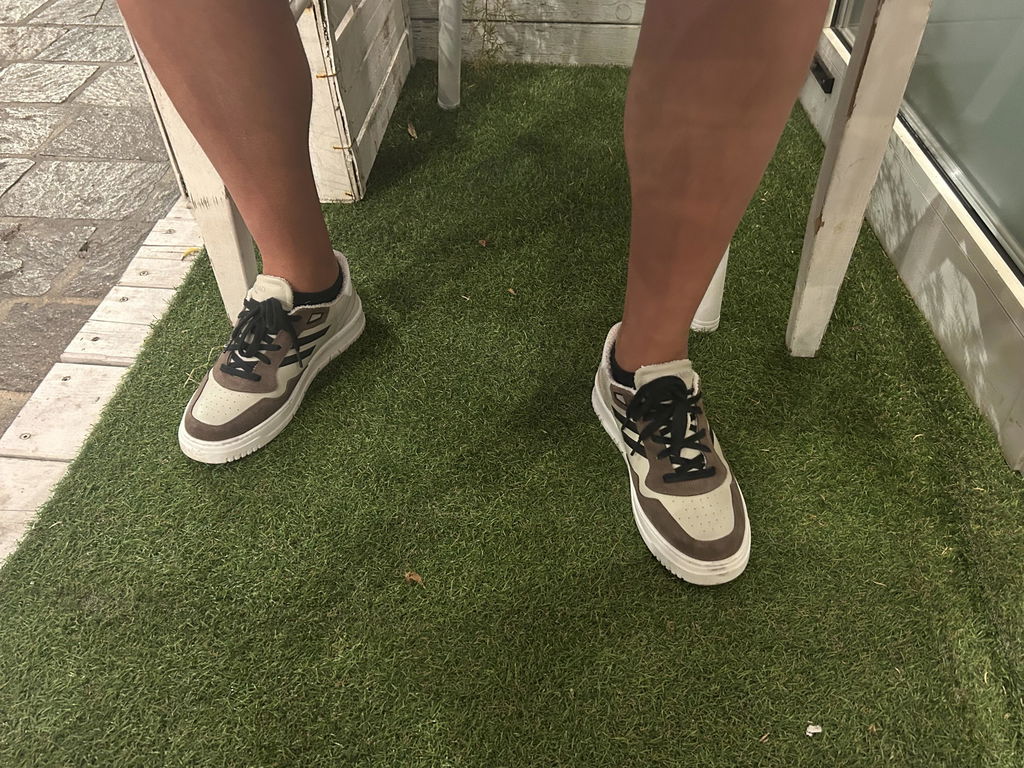
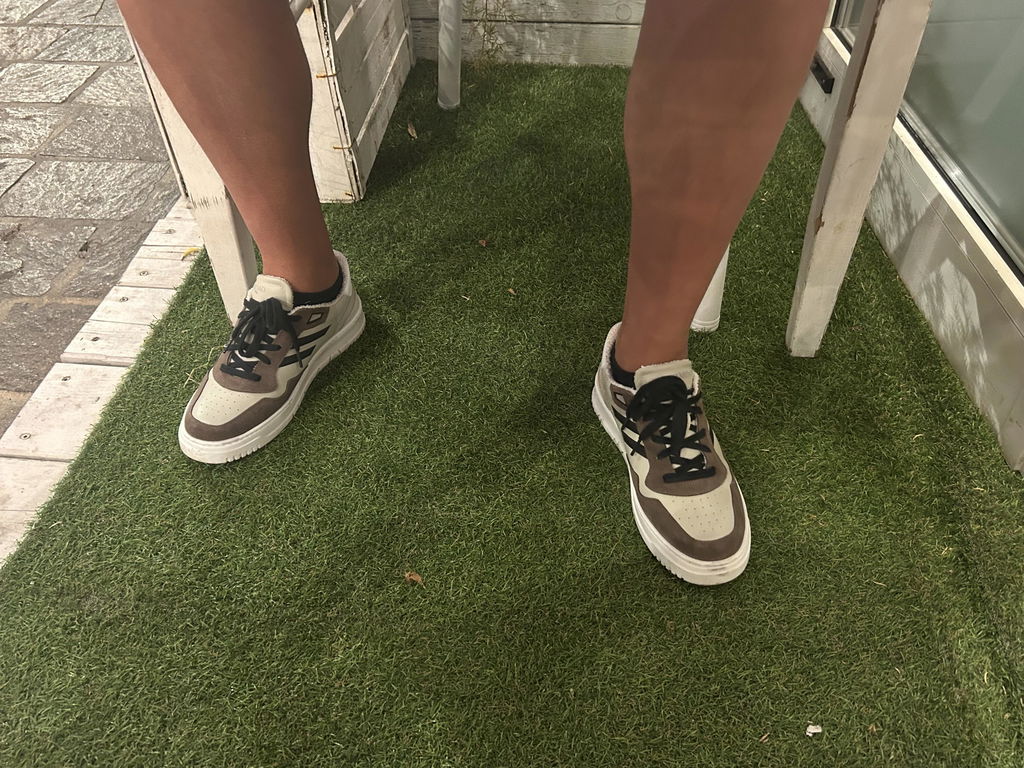
Within the vast landscape of circular fashion in Italy, there exists a brand that perfectly embodies the synthesis between ancient manufacturing tradition and a new ecological sensibility: PR1MO. This brand is not just a label, but a manifesto of how excellent craftsmanship can advocate for sustainability values without compromising on quality. PR1MO was founded with a clear vocation: to create handmade shoes in Italy that are not just accessories, but durable objects, rich in history and respectful of the planet. In an era dominated by mass production, choosing PR1MO footwear means embracing the philosophy of slow fashion, where every stitch is the result of time, skill, and passion—values that are the natural antidote to the throwaway culture.
The philosophy of "Handmade" as an act of sustainability
The heart of PR1MO beats in Venetian artisan workshops, where manual skill has not been lost. Every pair of shoes is the result of dozens of manual steps performed by master shoemakers who have passed down their knowledge for generations. This production choice is intrinsically linked to circular fashion in Italy: a shoe built by hand with traditional techniques is designed to last years, not months. The constructive quality allows for repairs and resoling over time, extending its life cycle far beyond the industrial average. PR1MO opposes planned obsolescence by offering a product that ages with grace, gaining character and uniqueness step by step, just like the best examples of Italian design.
Partnership with Circular Zero Waste: fine materials from recovery
PR1MO's commitment to circular fashion in Italy is further concretized through a strategic and innovative partnership with Circular Zero Waste (Zerow). This collaboration represents a virtuous example of industrial symbiosis: Zerow acts as a connector in the luxury world, recovering high-quality leathers and fabrics that, due to industrial logic of overproduction or small aesthetic defects, would otherwise be discarded by major maisons.

For some of its most exclusive lines, PR1MO uses precisely these recovered materials. These are not "second-choice" materials in terms of quality, but rather warehouse surpluses (deadstock) that retain all the valuable characteristics – softness, resistance, grain – required by high fashion. By purchasing these leathers from Zerow, PR1MO prevents valuable resources from ending up in landfills and, at the same time, reduces the demand for new tanning production, significantly lowering the environmental impact associated with breeding and chemical processing.
A model of responsible luxury
Wearing PR1MO shoes made from recovered materials means wearing a unique piece of circular fashion in Italy. Each creation tells a dual story: that of the artisan who shaped it and that of the material that was "saved" and ennobled. This upcycling approach transforms the concept of exclusivity: luxury is no longer waste, but the ability to regenerate beauty. Through this choice, PR1MO demonstrates that it is possible to conduct business ethically, supporting the local economy and reducing the ecological footprint, offering the conscious consumer a product that is, in all respects, a concrete step towards a greener future.
Future challenges and opportunities
Looking towards 2026 and beyond, circular fashion in Italy stands at a crucial crossroads. While we have celebrated successes and innovations, we cannot ignore that the path to complete circularity is still paved with complex obstacles. The transition is not a linear process, but a systemic challenge that requires courageous investments, political vision, and, above all, a radical shift in mindset involving all stakeholders in the supply chain, from producer to end consumer. The opportunities for the country's system are enormous: positioning itself as a global leader in sustainable textiles means ensuring a prosperous future for one of the key sectors of our GDP, but to do so, it is necessary to directly address some structural criticalities.
Necessary investments for the circular transition
One of the main challenges for circular fashion in Italy concerns the scalability of solutions. Many of the most promising recycling technologies are still in the pilot or semi-industrial phase and require significant capital to be fully implemented. Small and medium-sized enterprises, which form the backbone of our production system, often struggle to access the necessary funds to upgrade their machinery or implement digital traceability systems. This is where the support of institutions and the banking system becomes crucial, through targeted incentives and subsidized financing for those who invest in sustainability. Without a national industrial plan that supports technological innovation, we risk having isolated excellences in a sea of backwardness. Furthermore, the creation of infrastructure for separate textile collection must be strengthened: it is not enough to know how to recycle; we must intercept the material before it ends up in undifferentiated waste, and Italy still has significant territorial gaps to bridge in this regard.
Consumer education and cultural change
Perhaps the most challenging aspect for circular fashion in Italy is cultural. We can have the best recycling technologies and the most ethical brands, but if consumers continue to favor fast fashion due to price or habit, the circle will never close. A massive educational effort is needed to teach how to recognize the true value of a garment. Consumers must understand that paying a bit more for artisanal shoes or a regenerated sweater is not a cost, but an investment in quality and durability. Transparency thus becomes the winning weapon: explaining what lies behind the label, as PR1MO does with its recovered materials, is the only way to build trust. The future of circular fashion in Italy depends on a new "humanism of consumption," where buying less but better becomes a positive status symbol.
Competitiveness and innovation in the sector
Finally, there is the issue of global competition. Other countries are moving fast, and Italy cannot afford to rest on its glorious past. Circular fashion in Italy must become synonymous with technological avant-garde. The opportunity is to transform our country into the European hub for high-end textile recycling, attracting investments and talent from around the world. The fusion of artisan know-how and digital innovation (blockchain, AI for design, new bio-based materials) is the key to maintaining leadership. If we can win this challenge, Italian fashion will not only be beautiful but will become the benchmark for a global economy capable of regenerating itself, demonstrating that profit and the planet can not only coexist but thrive together.